
The Comfort of Home: Virtual Neurology for Cognitive Impairment
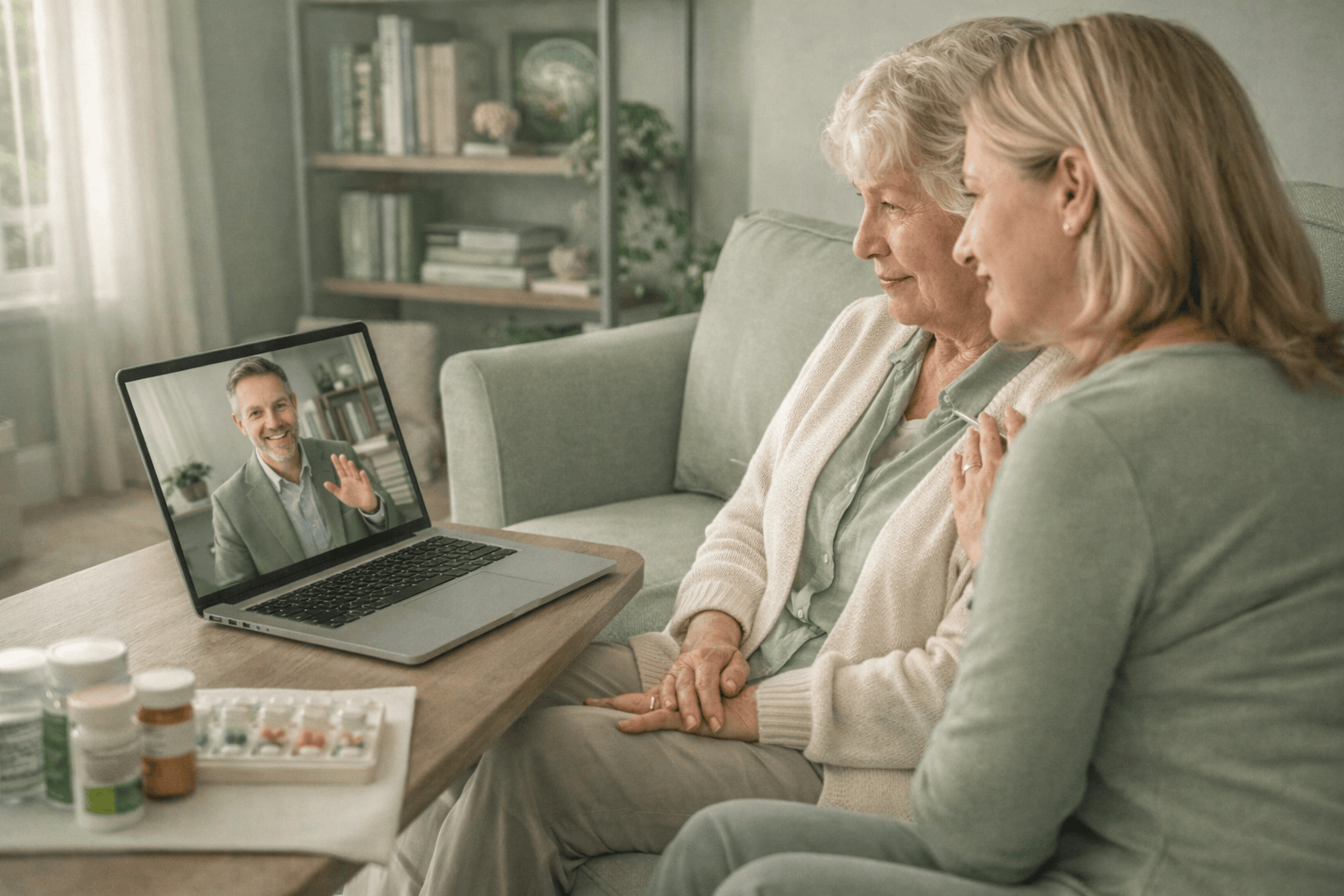
Receiving a diagnosis of Mild Cognitive Impairment (MCI), Alzheimer's disease, or another form of dementia is life-altering, not just for the patient, but for the entire family. The demands of ongoing care, frequent specialist visits, and navigating a complex healthcare system add immense strain.
This is why virtual neurology has become a powerful and compassionate tool for managing cognitive impairment, bringing specialized care to the most comforting place possible: the patient's home.
Reducing Stress for Patient and Caregiver
For individuals experiencing cognitive decline, unfamiliar environments, long travel times, and rushed appointments can worsen symptoms, leading to agitation or fatigue. Virtual care minimizes these burdens.
- Eliminating Travel Fatigue: Telemedicine eliminates the need for physically taxing and confusing travel. This is a critical benefit for patients with mobility issues or those who experience sundowning or increased distress when removed from familiar surroundings (Kramer et al., 2023).
- Essential Caregiver Support: Virtual visits make it easy to include long-distance family members or primary caregivers, regardless of their location, facilitating comprehensive care planning and shared decision-making (Synapticure, 2024). This support is vital, as telemedicine has been shown to have a positive impact on the psychological well-being and quality of life for both persons living with dementia and their caregivers (JMIR Mental Health, 2025).
Enhanced Assessment and Environmental Safety
A virtual platform provides neurologists with unique insights into the patient's daily life that a traditional clinic setting simply cannot offer.
- Naturalistic Observation: The physician can observe the patient in their natural home environment, which provides crucial collateral information. They can assess functional abilities, gait, and potential safety hazards by visually inspecting frequently trafficked areas, aiding in risk management (Practical Neurology, 2020).
- Accurate History and Medications: Patients with cognitive impairment often struggle to recall medications and doses. With a caregiver present during the virtual visit, they can immediately inspect pill bottles or organizers, ensuring the neurologist has accurate information for medication management (Practical Neurology, 2020).
- Remote Screening Adaptation: While a full, in-person neuropsychological battery is necessary at times, many screening tools, like the Montreal Cognitive Assessment (MoCA), have adapted telephone or video versions, allowing for convenient and frequent monitoring of cognitive status between comprehensive assessments (Practical Neurology, 2020).
Access to Specialized, Ongoing Interventions
For many dementias, the most effective interventions are non-pharmacological, and virtual tools are perfectly suited to deliver them.
- Digital Neurocognitive Testing and Monitoring: Advanced virtual practices can deploy digital neurocognitive testing batteries that are remotely administered. These computerized assessments offer objective, standardized, and longitudinal data on domains like processing speed, attention, and executive function, providing a sensitive measure of change over time that enhances diagnostic specificity and tracks treatment response (Neurology Today, 2022).
- Wider Specialty Access: Patients, particularly those in underserved areas, can connect with specialists in cognitive neurology who are experts in the latest treatments and clinical trials (Lavin et al., 2020).
- Efficiency and Timeliness: Telemedicine improves the timeliness of care, reducing long waiting times for specialist appointments and unnecessary transportation, which are key dimensions of high-quality healthcare (WHO, 2018; ResearchGate, 2022).
Virtual neurology represents a leap forward in care for cognitive disorders, offering specialized, integrated, and flexible support that focuses on the quality of life for the patient and their dedicated care team.
Academic References
- Frontiers in Aging Neuroscience. (2023). Cognitive-motor interventions based on virtual reality... an overview. (Source for VR interventions).
- JMIR Mental Health. (2025). An Overview of Reviews on Telemedicine and Telehealth in Dementia Care: Mixed Methods Synthesis. (Source for psychological well-being and quality of life benefits).
- Kramer, Z. J., et al. (2023). Telehealth for patients with rare epilepsies. Epilepsy & Behavior Reports. (Discusses elimination of commute/parking issues, applicable to mobility issues in cognitive decline).
- Lavin, B., et al. (2020). Bridging the healthcare gap: Building the case for epilepsy virtual clinics... Epilepsy & Behavior. (General source for specialist access).
- Neurology Today. (2022). Digital Neurocognitive Testing: Advancing Remote Assessment. (Source for objective, standardized, and longitudinal data benefits of digital testing).
- Practical Neurology. (2020). Teleneurology for Cognitive Care. (Source for MoCA adaptation, home environment assessment, and medication adherence checks).
- PMC. (2016). Benefits of virtual reality based cognitive rehabilitation... (Source for VR as more impactful than conventional methods).
- ResearchGate. (2022). How Telemedicine Can Improve the Quality of Care for Patients with Alzheimer's Disease and Related Dementias? (Source for WHO quality dimensions and timeliness).
- Synapticure. (2024). Virtual Care Alzheimer's and other Dementia's. (Source for 24/7 caregiver support and team structure).
Related Services
Ready to Take the Next Step?
Schedule a consultation with Dr. Karmazin or explore our comprehensive neurology services.